Wooden Shoe Rack Plans: Build a Beautiful DIY Shoe Rack in 3 Hours

A decent shoe rack at Target costs $40 to $80 and falls apart within a year. A solid wooden shoe rack built from these plans costs under $40 in materials and will last a decade. If your entryway is constantly cluttered with muddy sneakers and heavy boots, standard metal shelves rarely cut it, collapsing under the weight or staining with rust. Following structural wooden shoe rack plans is the ultimate solution to create lasting, beautiful organization.
Whether you want a simple and functional solution for a busy back hall, or are looking to construct a stunning, furniture-grade focal point in your home, mastering how to build a wooden shoe rack is surprisingly straightforward. This weekend woodworking guide breaks down a standard 3-tier dowel-incline model. This specific draft balances lightweight transportability with outstanding structural stability, demanding only basic hand tools to finish.
Why Build Your Own Shoe Rack?
Opting for a diy wooden shoe rack project offers numerous advantages over choosing flimsy plastic or mass-produced pressboard shelves. When you configure the project on your own workbench, you call the shots on durability and aesthetics.
Here are just a few compelling reasons why building a homemade diy shoe rack makes perfect sense:
- Costs 50% less than retail: High-end hardwood shoe storage units retail for over $120. With basic dimensional lumber, you will get a tougher piece for a third of that cost.
- Custom size for your entryway: Standard off-the-shelf units rarely fit your mudroom perfectly. Scaling our blueprints satisfies narrow hallways or wide closet needs instantly.
- Your wood choice and finish: You can select warm cedar, sturdy oak, or budget-friendly pine and stain it to precisely coordinate with your home design accents.
- Far more durable than metal or plastic: Hardwood frames fixed with heavy wood screws stay rigid indefinitely. They won't bow or rattle even when loaded with heavy winter workspace boots.
- Perfect beginner project (3-4 hours): There are no tricky compound miter cuts or complex mortise-and-tenon joints, making it the perfect gateway task to foster clean carpentry confidence.
- Great gift for new homeowners: Gift cards are soon forgotten, but a functional, warm wooden entryway accent will remain a household fixture for generations to come.
DIY Shoe Rack Styles Compared
Before making sawdust, it is important to match your storage volume and spatial constraints with the appropriate design form. For instance, flat surfaces are easiest to cut, while floating solutions keep the floor totally unobstructed. Below is a comprehensive visual breakdown of popular shoe rack woodworking plans and general shoe rack woodworking approaches:
| Style | Best Query Match | Tiers | Difficulty |
|---|---|---|---|
| Dowel rack | "diy wood shoe rack" | 3 | Beginner |
| Angled shelf rack | "shoe shelf plans" | 2-3 | Beginner |
| Cubby style | "shoe rack woodworking plans" | 4-6 | Intermediate |
| Wall-mounted | "wooden shoe rack diy" | 3 | Beginner |
| Bench combo | "wooden shoe rack blueprints" | 2 | Intermediate |
Detailed Analysis of Styles:
- Dowel rack: Ideal for beginners searching for "diy wood shoe rack" plans or interested in shoe rack woodworking. This style offers excellent airflow to dry wet shoes, takes up minimal depth, and is lightweight enough to move easily around any entryway or mudroom.
- Angled shelf rack: Popular among those looking for "shoe shelf plans" because it showcases shoes at a beautiful display angle. It requires minimal floor space and holds heels and flats securely, though it has slightly more complicated cuts than flat shelves.
- Cubby style: Perfect for busy households seeking detailed "shoe rack woodworking plans". It isolates each pair in its own compartment to prevent clutter, but requires a larger footprint and more intermediate joinery skills to assemble.
- Wall-mounted: The ultimate space-saver for "wooden shoe rack diy" builders with tight hallways. By mounting directly to wall studs, you keep your floors entirely clear, making it a great choice for small apartments.
- Bench combo: A beautiful, robust furniture piece matching "wooden shoe rack blueprints" that serve a dual purpose. It provides a sturdy place to sit while putting on footwear, though it requires thicker lumber and extra structural reinforcement.
When drafting this project, we selected the angled dowel rack (refer to our shoe rack wood plans section for step-by-step guidance) as our baseline pattern. It features incredible dirt runoff, allows maximum ventilation for damp shoes, and keeps heels locked firmly in place.
Tools and Materials for Your DIY Wooden Shoe Rack
Having your workshop prepped with the appropriate equipment saves countless trips back and forth to the local hardware center. For this project, a basic power drill and a hand-turned saw will easily get the job done. Here is everything you need to build our primary angled 3-tier model:
Required Tools
- Tape measure and layout pencil
- Hand saw, circular saw, or miter saw
- Power drill with a 1-inch spade bit (or Forstner bit)
- Sandpaper assortments (80, 120, and 220 grit)
- Bar clamps or trigger clamps (minimum of x2)
- Combination square (for fast, square edge lines)
- Eye protection and ear safety glasses
Necessary Materials
- 2x4x8' pine board (x2 pieces for side framing)
- 1-inch wooden-finish dowels (x2 8-foot lengths)
- 2.5-inch countersunk wood screws (x12 count)
- Premium wood glue
- Stain, clear polyurethane, or wood paint
- Heavy protective rubber floor fee (x4 pieces)
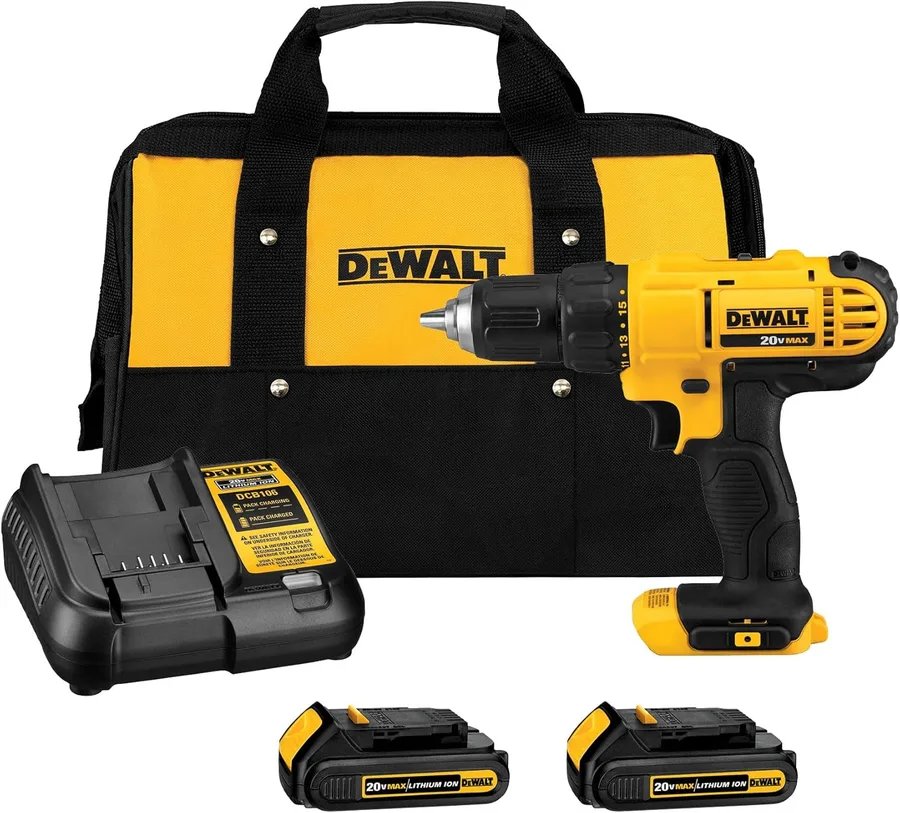
DEWALT 20V MAX Drill/Driver
Drives pilot holes and assembly screws effortlessly through slats and upright side frames.
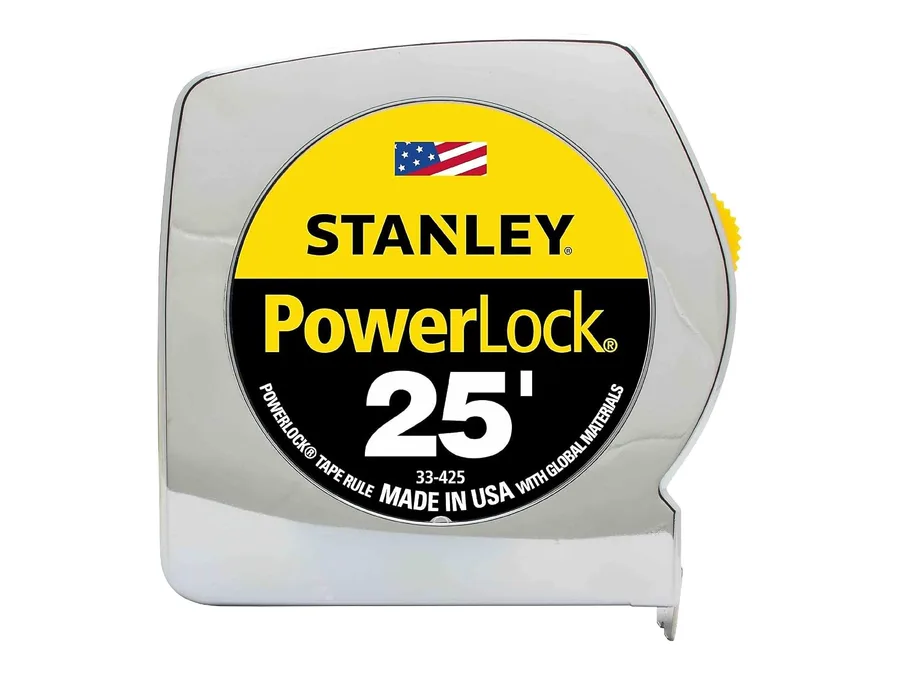
STANLEY PowerLock II 25 ft Tape Measure
Crucial for marking uniform shelf spacing so pairs of boots and sneakers fit comfortably.
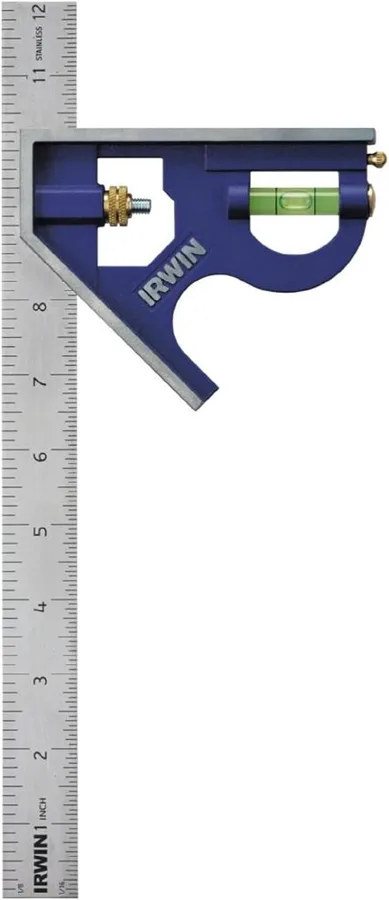
IRWIN 12" Combination Square
Ensures all shelf support cleats sit perfectly square against uprights to avoid wobbly racking.
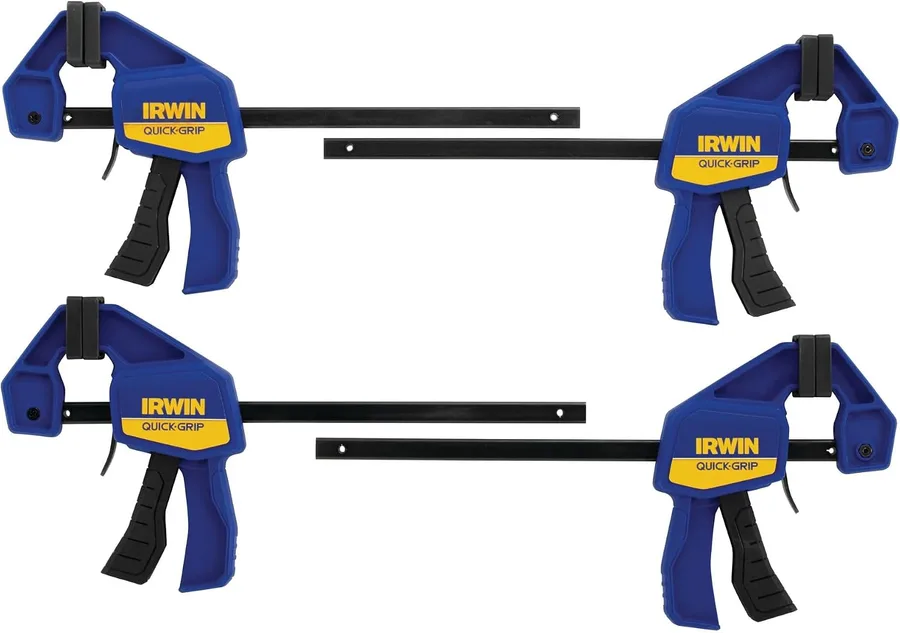
IRWIN Quick-Grip Mini Bar Clamps 4-Pack
Holds side rails firmly in position while driving screws, ensuring tight gaps and zero movement.

Titebond III Wood Glue
Reinforces screw joints against moisture from wet shoes, preventing joints from loosening over time.

Sandpaper Variety Pack
Smooths rough pine edges and removes splinter hazards before applying stain or clear protective coats.
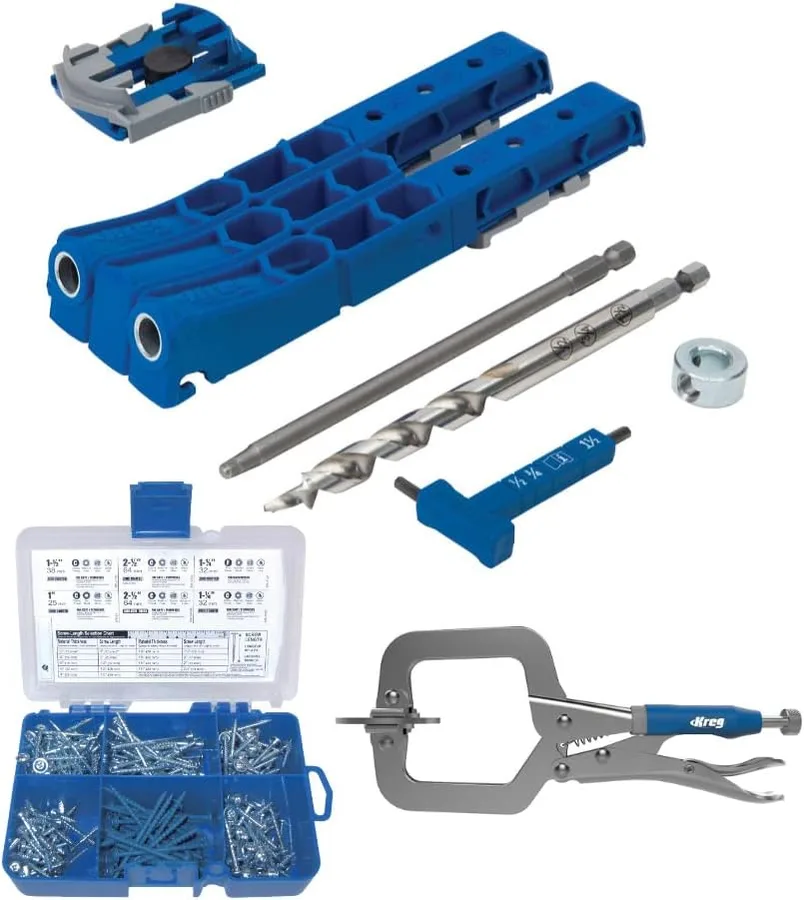
Kreg Pocket-Hole Jig 320
Creates clean, hidden joinery inside shelf rails so no screw heads show on outer finished sides.
Estimated Total Cost:
Estimated Total Cost: If you buy standard spruce or yellow pine, the total hardware and materials will sum to only $25 to $40, presenting incredible value relative to fragile big-box department store alternatives.
Cut List and Measurements
Sizing your pieces with precision guarantees a square assembly that does not wobble when placed on your floor. Our standard 3-tier dowel shoe rack is intentionally proportioned to slide into tight spaces while easily holding up to a dozen adult pairs.
Overall dimensions when assembled:
- Total Width: 30 inches (conveniently accommodates 3 wide pairs per tier)
- Total Height: 26 inches
- Total Depth: 14 inches
| Component Part | Quantity | Rough Cut Dimensions | Carpentry Notes |
|---|---|---|---|
| Side upright frames | 2 | 2x4 x 26" | Houses the 15-degree dowel incline boring |
| Top supportive rail | 1 | 2x4 x 30" | Connects the upper ends securely |
| Bottom supportive rail | 1 | 2x4 x 30" | Stabilizes the ground base framing |
| Tier 1 support dowels | 2 | 1" diameter x 32" | Fits bottom shelf slot heights |
| Tier 2 support dowels | 2 | 1" diameter x 32" | Fits middle shelf slot heights |
| Tier 3 support dowels | 2 | 1" diameter x 32" | Fits top shelf slot heights |
Dowel spacing breakdown:
- Tier 1 height: Located 3 inches from the floor to accommodate flat flats.
- Tier 2 height: Located 11 inches from the floor (yielding great clearance for tennis shoes).
- Tier 3 height: Located 19 inches from the floor (handles taller high-tops and light boots).
- Dowel angle: Exactly 15 degrees downward. This slope utilizes gravity, locking the shoe heels tightly against the backend rails so they never tumble forward.
Note: For complete, fully illustrated diagrams showing orthographic projections and exact angle settings, refer to the blueprint section below.
Step-by-Step Building Instructions
Take your time and follow these sequential assembly steps to ensure your finished diy wooden shoe rack turns out flawless and sturdy.
Cut side frames to length
Measure and mark your two 2x4 side frames at precisely 26 inches. Use a combination square to draw straight lines across the broad faces of the board, then perform slow, straight cuts with your hand saw.
Mark dowel hole positions
Using your layout pencil, measure heights of 3 inches, 11 inches, and 19 inches along the centerline of each side frame's interior face. Draw double reference intersections for the paired dowels spaced 4.5 inches apart horizontally.
Drill angled holes
Equip your power drill with a 1-inch spade bit. Drill angled holes at exactly 15 degrees downward into the 2x4 face. Stop drilling when you reach a depth of 1 inch; wrapping masking tape around your drill bit serves as a perfect depth stopper!
Cut the 1-inch dowels
Carefully slice your dowels into six equivalent segments of 32 inches. Ensure each cut is square and sand the sharp edges smooth to prevent splinters when dry-fitting.
Test fit the components
Prior to applying fast-setting glue, insert all six dowels into one of the 2x4 side frames, then fit the second side frame on top. Ensure the assembly is square and uniform. This keeps you from fighting drying glue later on.
Apply premium glue
Drizzle a generous amount of wood glue into the bottom of the bored angled holes. Rotate the dowels as you slide them back into place to coat the entire circumference evenly.
Clamp and square the main frame
Attach parallel clamps across the side frames to compress the dowels securely into their holes. Run your combination square along the corners to guarantee a perfect 90-degree angle, then wipe away any glue squeeze-out with a damp rag.
Attach support rails
Align the top and bottom 2x4 supportive rails across the rear edges of your frames. Drill pilot holes and secure them with 2.5-inch countersunk wood screws to enhance structural rigidity.
Allow glue to cure
Keep the assembly clamped securely for at least 12 hours. During this period, avoid shifting the rack so the structural glue joints can fully crystallize and cure.
Perform detailed sanding
Now comes the key to a professional finish! Power-sand all wood surfaces, starting with aggressive 80-grit paper, advancing to 120-grit, and wrapping up with ultra-smooth 220-grit sandpaper.
Apply protective finish
Wipe away any sawdust with a tack cloth, then brush on two coats of high-quality wood stain, protective paint, or a durable clear polyurethane protective topcoat.
Install rubber foot pads
Flip the shoe rack upside down and screw or stick heavy protective rubber floor feet onto the bottom face of the side frames. This keeps damp wood from staining hardwood floors and prevents slipping on slippery entryways.
Shoe Rack Blueprints — Reading the Plans
When preparing to assemble this project, understanding how to read shoe rack blueprints and wooden shoe rack blueprints is essential for avoiding costly layout mistakes. A high-quality blueprint is more than just a 3D rendering; it is a precise technical map of your workpiece that coordinates every cut, bore, and fastener.
First, locate the overall dimension callouts. A standard blueprint lists width, height, and depth in standard orthographic projections (front, side, and top views). On these diagrams, pay close attention to the dowel angle notation. Because our design holds shoes securely using gravity, blueprints will show a specific 15-degree downward slope for the dowels. This angle is indicated with a degree symbol and leader lines pointing to the center axis of the bored holes.
Next, study the tier spacing measurements. The gap between the support dowels determines whether your rack can fit high-top sneakers or just low-profile flats. Finally, correlate the cut list directly to the blueprint parts; each piece on the diagram should have a letter or number key (e.g., Part A, Part B) that matches the material dimensions.
A professional blueprint shows complete exploded views, exact dowel angle settings, clear hole centers, and hardware specifications. In contrast, an incomplete or low-quality guide will omit these crucial details, leaving you to guess the assembly angles. For a robust collection of verified layouts, check out our comprehensive library of woodworking plans.
Want the complete wooden shoe rack plans with full diagrams and exact angle measurements? Ted's Woodworking includes this plan and thousands more projects.
Get Woodworking Plans →Finishing Options
Entryway furniture faces constant daily exposure to sand, rainwater, slush, and heavy road salt. Applying a robust finishing treatment ensures your carefully crafted wooden shoe rack continues to look flawless and resists dry rot over time.
Consider these popular wood finishing strategies:
- Natural pine with clear coat: Brushing a water-based polyurethane sealer directly over bare pine preserves that warm, light organic timber grain. It is easy to apply and clean.
- Dark walnut stain: A deep penetrative walnut stain darkens pine, giving it an elegant, high-contrast, furniture-grade mahogany appearance that matches traditional entryways beautifully.
- Sleek Scandinavian white paint: Coating the unit with solid white exterior latex paint prevents staining from wet mud, creating a bright, minimalist look that coordinates wonderfully with modern, clean spaces.
- Dramatic matte black styling: Painting your shoe rack black is a highly practical choice, as it completely hides scuffs, dark mud stains, and coal shoe-polish smudges.
- Rich natural oil finish: Hand-rubbing beeswax mixed with mineral oils feeds the pine fibers, yielding a warm, matte finish that is simple to spot-repair down the road.
3 Shoe Rack Variations to Build
Once you master the basic angled shoe holder, you can easily adapt the dimensions to meet other storage requirements. Here are three awesome design modifications:
Variation 1: Bench Combo Shoe Rack
By adding a stout 2x12 pine plank on top of your frame, you can convert the assembly into a dual-purpose bench seat. Family members can sit down to tie their laces, which keeps mud off the walls. Learn how to draft heavy-duty seats in our comprehensive DIY Workbench Blueprints guide.
Variation 2: Wall-Mounted Floating Shoe Rack
If your closet has absolute premium floor constraints, you can cut the bottom legs flush and screw your side frames directly into wall studs. This floats the rack 6 inches off the floor, allowing room underneath for flat sandals or quick sweeping.
Variation 3: Extra-Wide Family-Scale Rack
To accommodate larger volumes, you can extend the width to 48 or even 60 inches. However, long wooden dowels can flex. Adding a third 2x4 frame upright right in the center prevents the rails from sagging under the weight of heavy work boots.
Where to Get Complete Plans
While constructing basic furniture is a fantastic hobby, having certified diagrams keeps you from guessing angled cuts and wasting timber boards. Utilizing professional-grade woodworking blueprints saves you serious money at the check-out aisle because you buy only the precise feet of board required.
For the most robust and complete collection of plans, we highly recommend checking out Ted's Woodworking. His massive digital folder hosts thousands of files, offering several highly customized variations of simple shoe shelves, built-in mudroom organizers, and seating benches.
We invite you to read our other related woodworking guides to help plan your next build:
- Analyze layout diagrams in our honest, dive-deep Ted's Woodworking Honest Review.
- Source broader furniture styles in our core Woodworking Blueprints Database.
- Explore dozens of beginner-friendly tasks in 30 Easy Small Wood Projects.
- Build more challenging furniture projects with 20 Beginner Woodworking Projects Guide.
Free Wooden Shoe Rack Plans vs Complete Blueprints
When searching for diy shoe rack plans, do it yourself shoe rack plans, or plans for wooden shoe rack designs online, you will find countless free options. While a basic wooden shoe rack plans pdf file or standard free layout can serve as a decent starting point for experienced builders, they often lack critical instructions such as exact dowel angles, a comprehensive cut list, and detailed hardware specifications.
This is when investing in complete blueprints pays off. Without exact angles and cross-sectional illustrations, you are forced to rely on guesswork, which frequently leads to misaligned drill holes, wasted timber, and extra trips to the hardware store. If you only need a quick, rough organizer for an outdoor shed, a free, basic layout is often enough. However, if you want to build a pristine, furniture-grade entryway accent that stands the test of time, a professionally detailed set of blueprints is indispensable.
For a complete library of blueprints beyond just shoe racks, see our Ted's Woodworking review.
Ultimately, a good set of plans acts as a silent mentor, guiding you through the woodshop safety steps, grain matching, and finishing details that free resources omit. Spending a little time upfront reviewing professional blueprints guarantees a smoother, safer, and much more satisfying build experience from your very first cut.
💡 Sarah's Pro Tip: The 15-Degree Secret
The single most important detail in any dowel shoe rack is drilling the dowel holes at exactly 15 degrees downward. This subtle angle keeps shoes from sliding forward and falling off — and it makes the rack look intentionally designed rather than thrown together. Use an angle guide or drill press for consistent results on all six holes.
Build a Shoe Rack Your Entryway Deserves.
Get complete plans with exact angles, detailed material sheets, and exploded 3D graphics covering thousands of woodworking designs today.
Frequently Asked Questions (FAQ)
To build a simple wooden shoe rack, cut two side frames from 2x4 lumber, drill angled holes and insert 1-inch wooden dowels at a slight downward angle. The angle keeps shoes from sliding off and makes them easy to grab. Sand smooth and apply your choice of stain or paint.
Pine is the most popular wood for DIY shoe racks because it is affordable, easy to work with and widely available. Oak and poplar are excellent upgrades for a more durable and attractive finish.
A DIY wooden shoe rack typically costs between $20 and $45 in materials. This includes lumber, dowels, screws and finish. This is significantly cheaper than buying a comparable quality shoe rack at retail.
A standard 3-tier wooden shoe rack holds 9 to 12 pairs of shoes. You can adjust the number of tiers and the width of the rack to hold more or fewer pairs based on your family's needs.
Yes, a wooden shoe rack is one of the best beginner woodworking projects. It requires only basic tools, straight cuts and simple assembly. Most beginners complete their first shoe rack in 3 to 4 hours.
A standard 3-tier wooden shoe rack is typically 30 inches wide, 14 inches deep, and 26 inches tall, holding 9 to 12 pairs of shoes. Width can be adjusted in 6-inch increments to fit 2 to 3 additional pairs per tier.
Yes, a wooden shoe rack can be built entirely with hand tools — a hand saw, hand drill with a spade bit, sandpaper, and clamps. The only specialized step is drilling angled dowel holes, which can be done with a simple angle guide.
A 15-degree downward angle is the standard for shoe rack dowels. This angle keeps shoes from sliding forward while still allowing easy access, and is consistent across most published wooden shoe rack blueprints.
Good wooden shoe rack blueprints include exact dowel angles, a complete cut list with all part dimensions, and a materials list with hardware specifications. Blueprints that show only a finished photo without these details will require guesswork during construction.